
Guides
Fence contractor service quality: six checks you can run on site
Fence contractor service quality defined physically: line, plumb, spacing, height, gap at grade and gate swing, with six checks you can run on site.
What to take away
- Quality on a fence is visible from the street and measurable with a string line, a level and a tape. Define it physically or it stays an opinion.
- Six attributes carry almost all of itline, plumb, spacing, height consistency, gap at grade, and gate operation across the full swing.
- The gate is the part customers judge you on, because it is the part they touch every day.
- A quality system that does not survive a cold afternoon at the end of a long job is not a system. Make the checks short and make them physical.
Quality here is not a feeling
Ask three owners what a quality fence is and you get three answers about pride and craftsmanship. Ask a customer six months later and you get something specific: it leans, the gate drags, there is a gap the dog gets through, or the tops do not line up.
Every one of those is measurable on the day of installation. That is the opportunity. Fencing is one of the few trades where the finished product can be inspected completely, in a few minutes, with tools already on the truck.
The six physical attributes
Line. The run should be straight where it is meant to be straight and consistently curved where it is not. A string pulled the length of the run shows this immediately, and it is the attribute most visible from a distance.
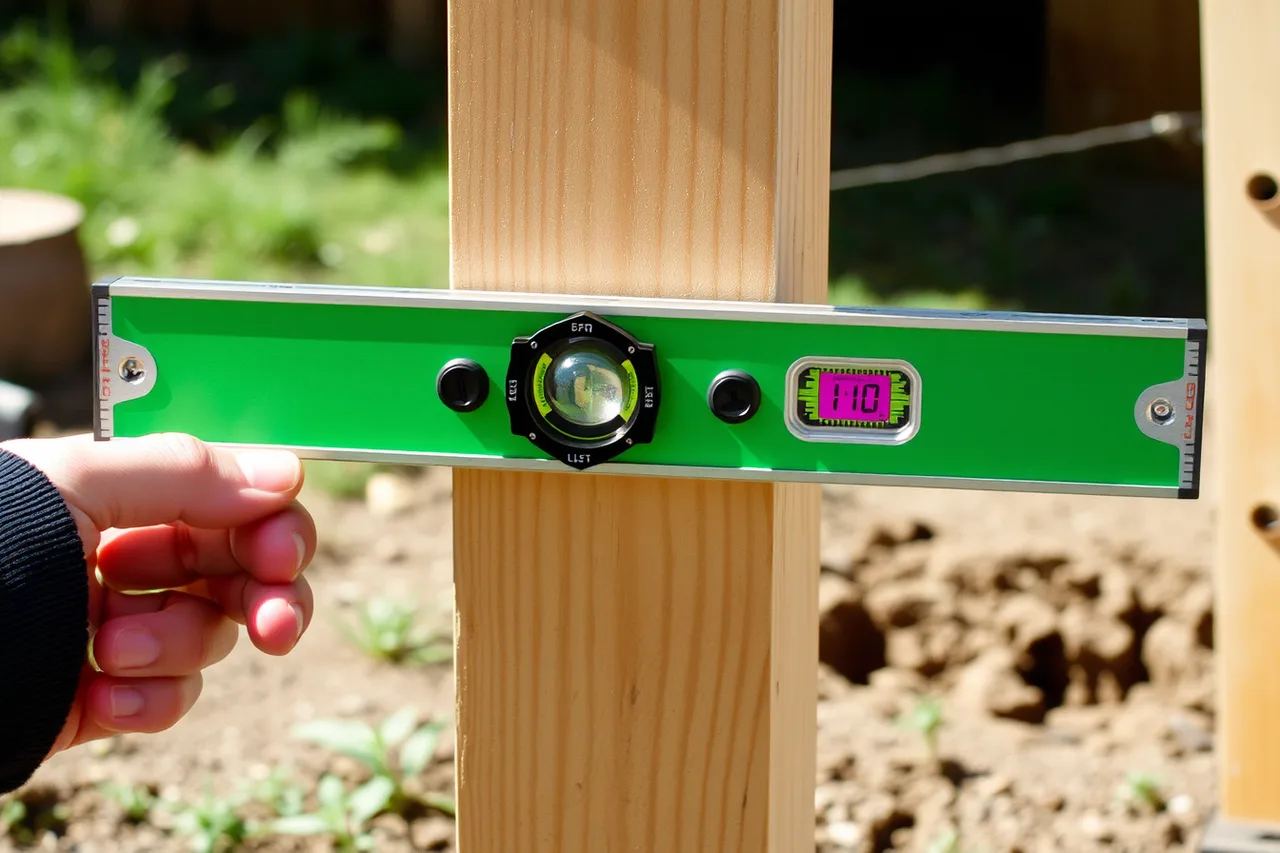
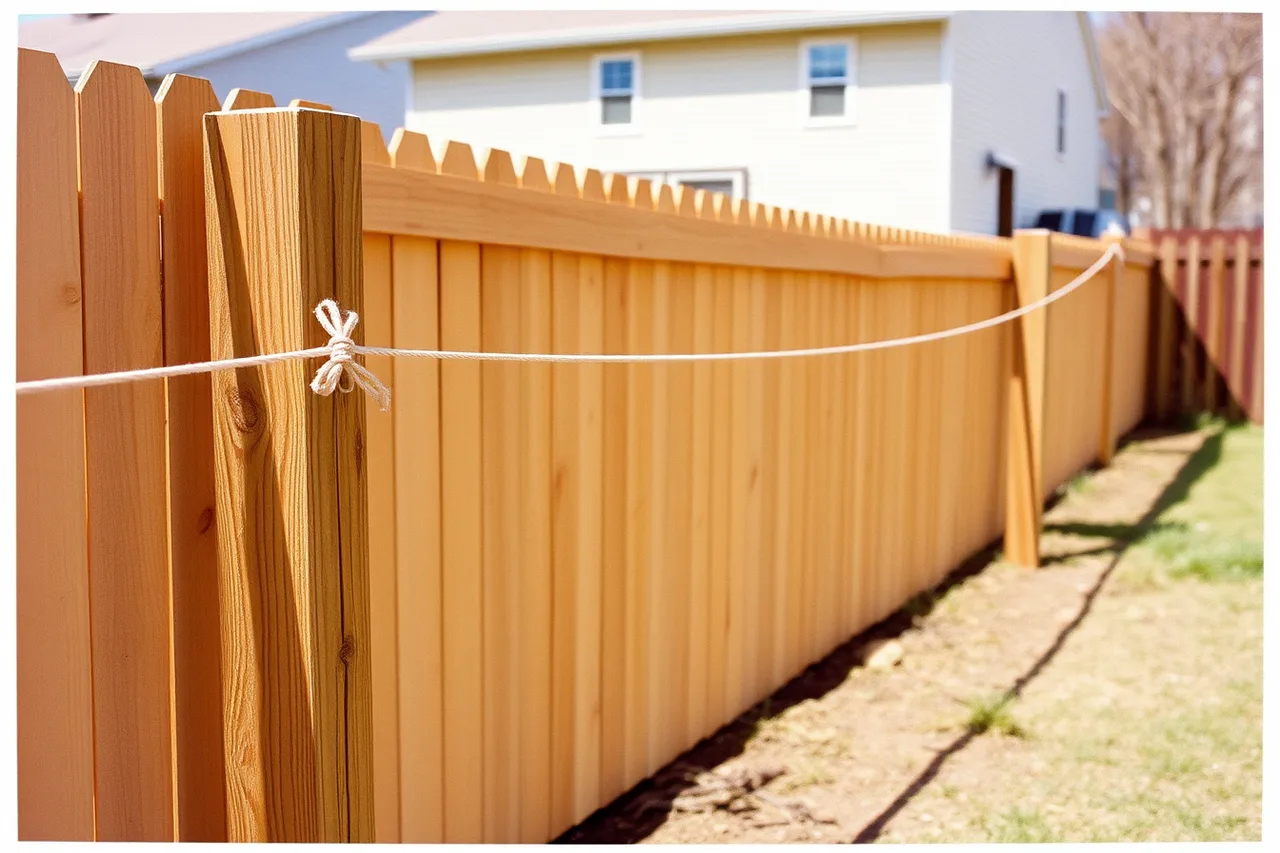
Plumb. Posts vertical in both planes, not just the one the installer was standing in front of. A post that is plumb along the run and leaning across it reads as sloppy from the yard.
Spacing. Consistent post spacing, with the irregular bays created by corners, ends and gates placed deliberately rather than left where the tape ran out.
Height consistency. Tops in line, whether level or following a deliberate grade. On a stepped run the steps should be even rather than one large and one small.
Gap at grade. The space between the bottom of the fence and the ground. This is what a dog escapes through and what a customer notices after the first rain. On sloped ground it needs a decision, and that decision belongs in the quote, not on site.
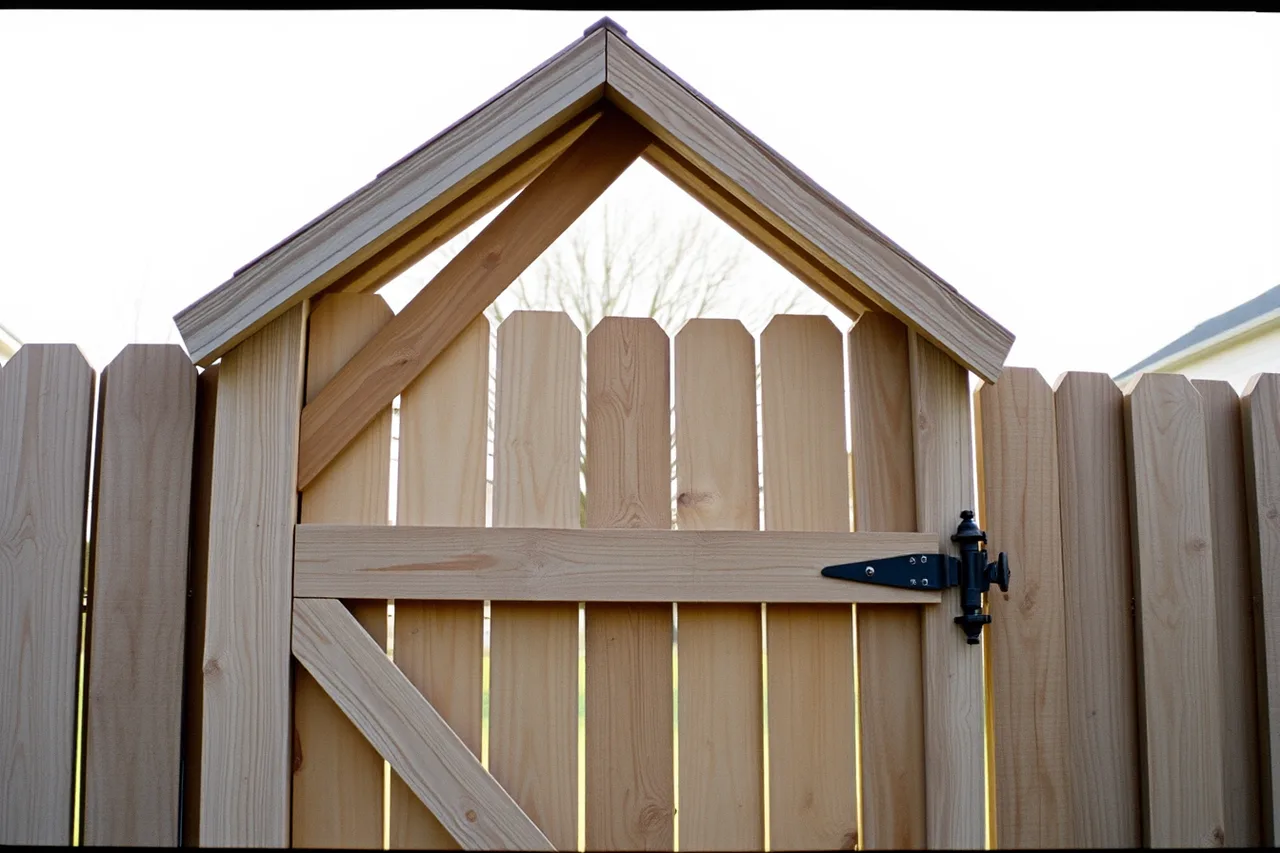
Gate operation. The leaf should swing through its full arc without touching ground, latch cleanly from both approach directions where relevant, and sit square when closed. Check it across the whole arc, not at the closed position.
Why the gate carries so much weight
A gate is used every day. Everything else in the run is looked at; the gate is handled. It also carries a cyclical load through hinges into a post, which means a gate post that would be adequate mid-run may not be adequate here.
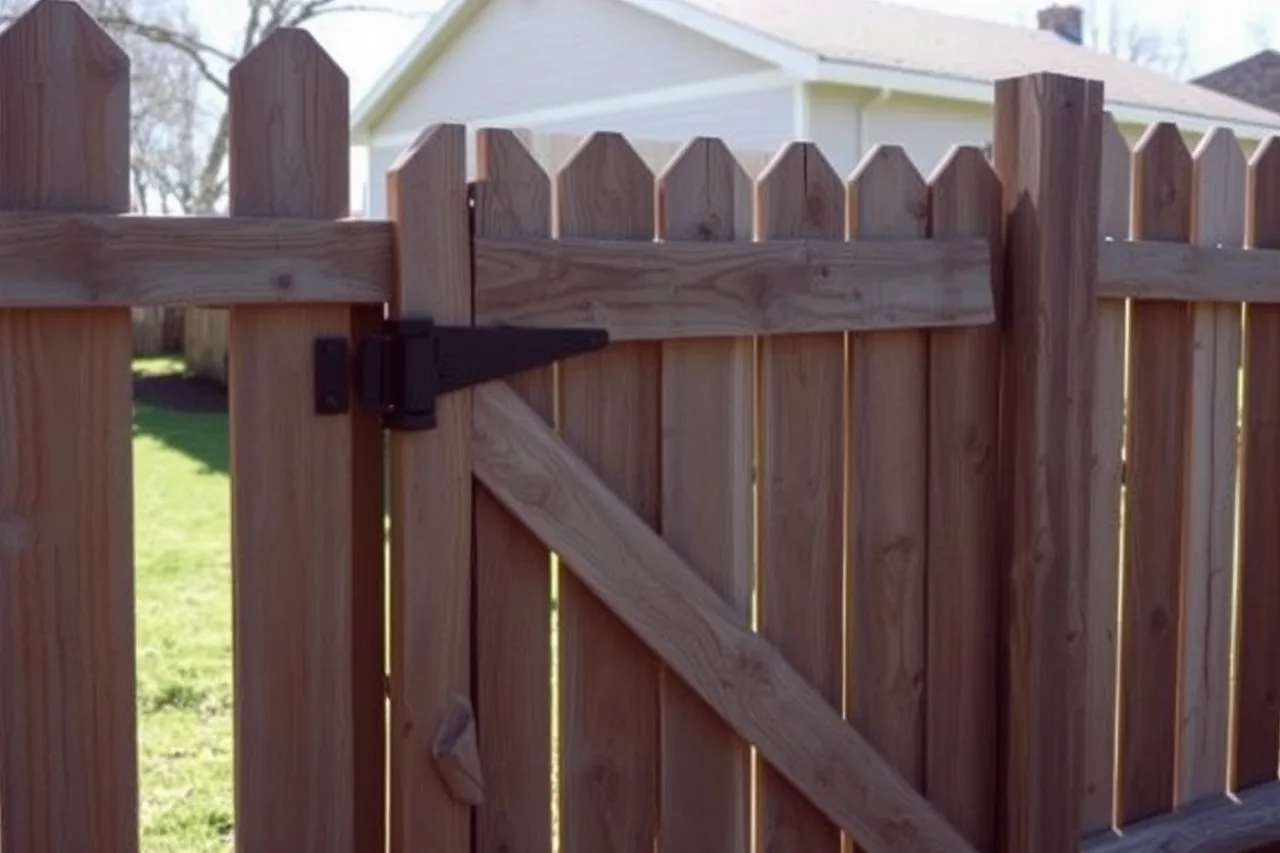
The failures are predictable. Sag from a post that was under sized or under set. Drag from ground that rises across the arc. A latch that works in one temperature and not another because the frame moves. A drop rod that no longer meets its receiver after the ground settles.
Each of those can be checked before you leave, and each is far cheaper to correct while the crew and the tools are still on site.
Material behavior after you leave
Some of what customers call a quality problem is material doing what material does. Knowing which is which is part of the service.
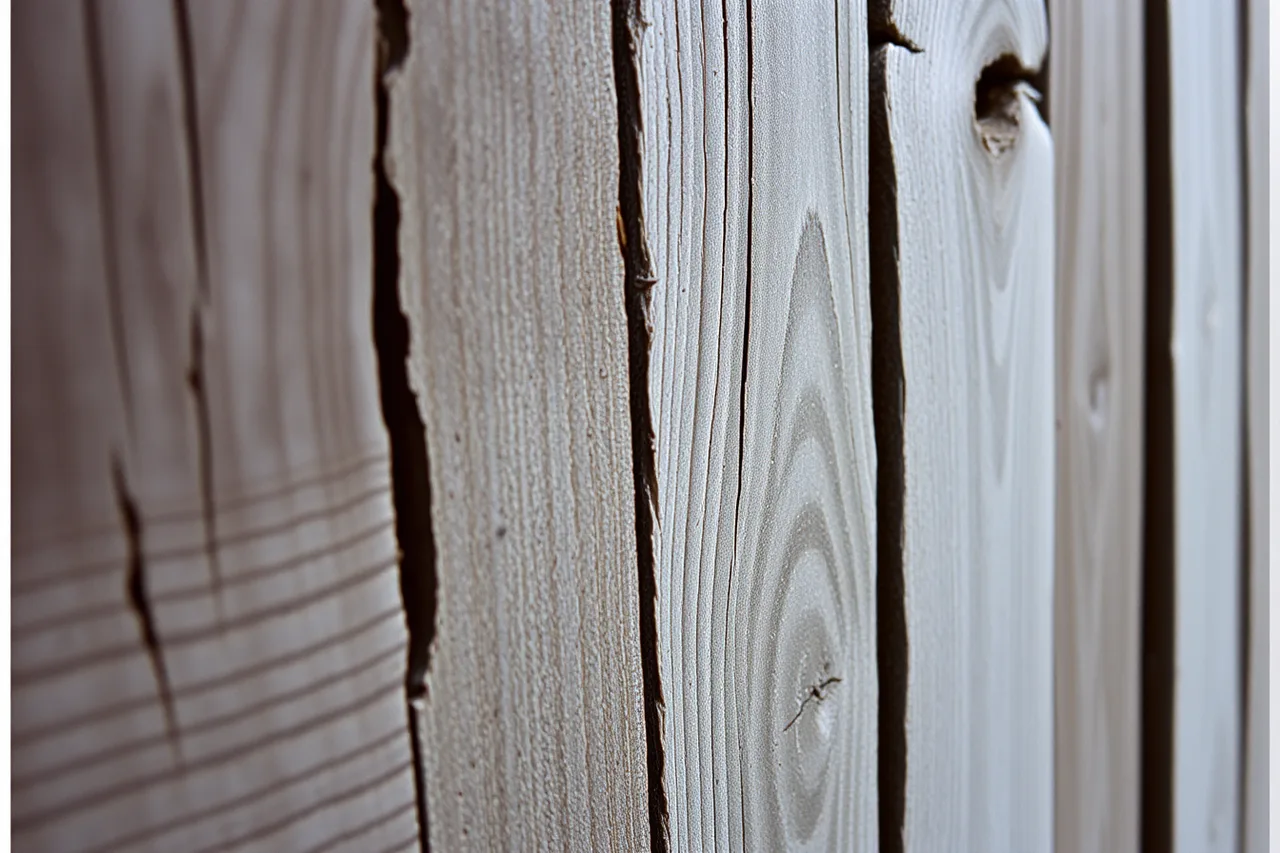
Wood moves with moisture. Boards cup, twist and shrink, and fasteners can back out as they do. A run that is perfect in July can show gaps by the following spring, and the honest thing is to say so in advance rather than to argue afterward.
Vinyl becomes less forgiving in deep cold, so impact damage clusters in winter. Color matching on a weathered run is genuinely difficult, which matters for section replacement.
Chain link depends on tension being pulled and held. Fabric that was not tensioned correctly shows as a wave in the run, and it does not improve.
Ground settles, and posts set in fill or in disturbed soil move more than posts in undisturbed ground. First freeze and thaw cycle after installation is when this shows.
Making quality inspectable
| Attribute | How it is checked | When |
|---|---|---|
| Line | String pulled the full run | After setting, before panels |
| Plumb | Level on two faces of each post | During setting |
| Spacing | Tape against the stated spacing | During layout and after setting |
| Height consistency | String or sight along the tops | After panel work |
| Gap at grade | Measured at several points along the run | Before leaving |
| Gate operation | Full arc swing, latch from both sides | Before leaving |
Six checks, all quick, all with a definite answer. That is what makes them survive a long day, and it is why a standard written this way gets used while a paragraph about craftsmanship does not.
The system around the checks
A check needs an owner, a moment and a record. Name who performs it, fix it to a point in the job rather than to a time of day, and record the result with a photograph where the result is visible.
The photograph matters more than it sounds. Completion photographs of the line, the gap at grade and the gate are the evidence that settles a dispute three months later when the ground has moved and memories have not.
Where work goes above grade, the Occupational Safety and Health Administration: Fall Protection in Residential Construction guidance describes expected controls. A quality process that ignores safety inspects the wrong thing.
Keep job records as described in the Internal Revenue Service: What kind of records should I keep? guidance. That system clearly shows income and expenses supported by underlying documents.
Quality and what customers say about you
Good work produces reviews, and how you ask for them is regulated. The U.S. Federal Trade Commission: Soliciting and Paying for Online Reviews: A Guide for Marketers says requests should go to genuine customers, without picking only likely-positive ones.
Disclose material connections, and do not let incentives mislead.
The practical reading for a fencing business is simple: ask everyone, ask the same way, and do not filter. A review process that only reaches happy customers also stops telling you which detail keeps failing.
What quality costs and what it saves
Quality has a price in crew hours, and those hours belong in the estimate rather than being absorbed. The mechanics of putting them there are in the fence contractor pricing and profit guide.
It also depends on capability. Of the six attributes, some are tooling questions in the fence contractor equipment and setup guide. Others are scope questions set when the offer was built, covered in the fence contractor services and packages guide.
Meeting a specified standard on pool barriers or permitted work sits with the compliance side of fence work. Market context is in the fence contractor startup and market guide.
For staffing the checks, the U.S. Bureau of Labor Statistics: Occupational Employment and Wage Statistics Tables publish employment and wage estimates by occupation, industry, state and metropolitan area, which is one input into what an inspection role costs where you work.
Common questions
Who should perform the final check?
Ideally not the person who did the work, but on a two person crew that is often unavoidable. Then make the check physical rather than visual: a string and a tape do not get tired in the way that judgment does.
What if the customer disputes something that is material behavior?
Explain it before it happens. A sentence at quote stage about wood moving, or about color matching on a weathered vinyl run, converts a later complaint into a conversation you already had.
How do I handle a fence that was fine and has moved?
Diagnose before you promise. A post that has moved after the first winter is telling you about depth, ground or drainage, and the answer determines whether one post or the whole run needs attention.
Is a written standard worth it for a two person crew?
Yes, because the person it protects is the one working alone on a Friday. Six checks on a card in the truck is the whole document.