Guides
Fence contractor equipment rated on what actually matters
Fence contractor equipment rated by the ground you dig in: named augers, mixers, drivers and locating tools, with what each does and when to hire.
What to take away
- The ground sets the tool list, not the fence. Frost depth, rock and buried services decide what you can run.
- Little Beaver and Ground Hog hydraulic augers fit through a gate a skid steer cannot. That access is often the whole decision.
- Bobcat and Kubota mini excavators earn their keep on old footings and rock, and cost more per day than an auger crew.
- A towable mixer and a hydraulic driver solve two different problems: cure scheduling and post alignment.
- Hire before you buy. One season of hire records tells you more than any spec sheet.
Rate the ground before you rate the tool
A fence run is a set of holes with material stretched between them. The customer picks the material. The ground picks the holes, and the holes pick the machines.
Three facts pick the machine
How deep must the hole go?
frost depth sets the auger length
What does the hole pass through?
Three facts decide almost every equipment choice. How deep the hole must go, which your local building department states as the frost depth for your area. What the hole passes through: soil, root, fill, rubble or rock. Whether the hole holds its shape, which is a water table and soil cohesion question.
An operator who knows those three facts can write a tool list in an afternoon. An operator who does not buys a machine and then finds it will not fit through the yard gate.
Augers, rated by access and torque
The auger is the headline purchase. It is also the one most often bought wrong, because buyers compare horsepower and forget gate width.
Augers by access and torque
Little Beaver
- Access
- 36-inch gate
- Torque
- Light
- Speed
- Slow
- Best use
- Residential runs
Ground Hog
- Access
- 36-inch gate
- Torque
- More on some
- Speed
- Slow
- Best use
- Rocky till, clay
Skid steer auger
- Access
- Wide gate
- Torque
- Highest
- Speed
- Fastest
- Best use
- Open-lot production
Hand auger
- Access
- Anywhere
- Torque
- Human
- Speed
- Slowest
- Best use
- Near marked services
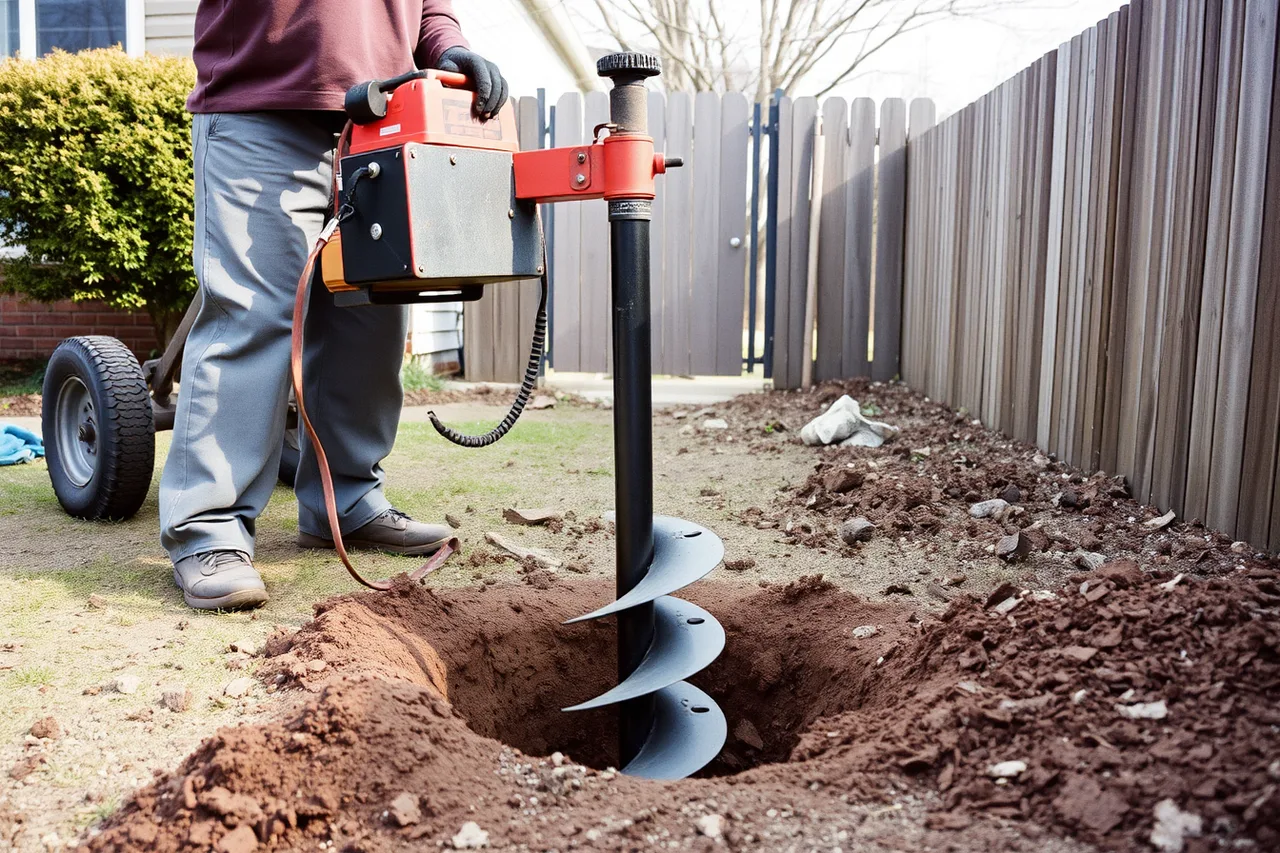
- Little Beaver hydraulic auger.Towable, one-person, fits a 36-inch gate. Best for residential runs where a machine cannot reach the line. Sold through dealers, not big-box stores.
- Ground Hog towable auger.Similar class, more torque on some models, same one-person limit. Suits rocky till and clay.
- Skid steer mounted auger.Fastest holes per hour, needs a skid steer and a gate wide enough to take it. Suits production work on open lots.
- Hand auger and post hole digger.Slower, controllable, and the only safe option in the first two feet near a marked service.
For a new operation, hand dig first and hire a machine only for jobs that justify it. Track what the machine actually saved. That record is the buying case. Buying before the record exists turns a variable cost into a fixed one at the stage fixed costs are hardest to carry.
Excavators, drivers and the rock problem
Rock and old footings are where small crews lose days. Two machines answer that.
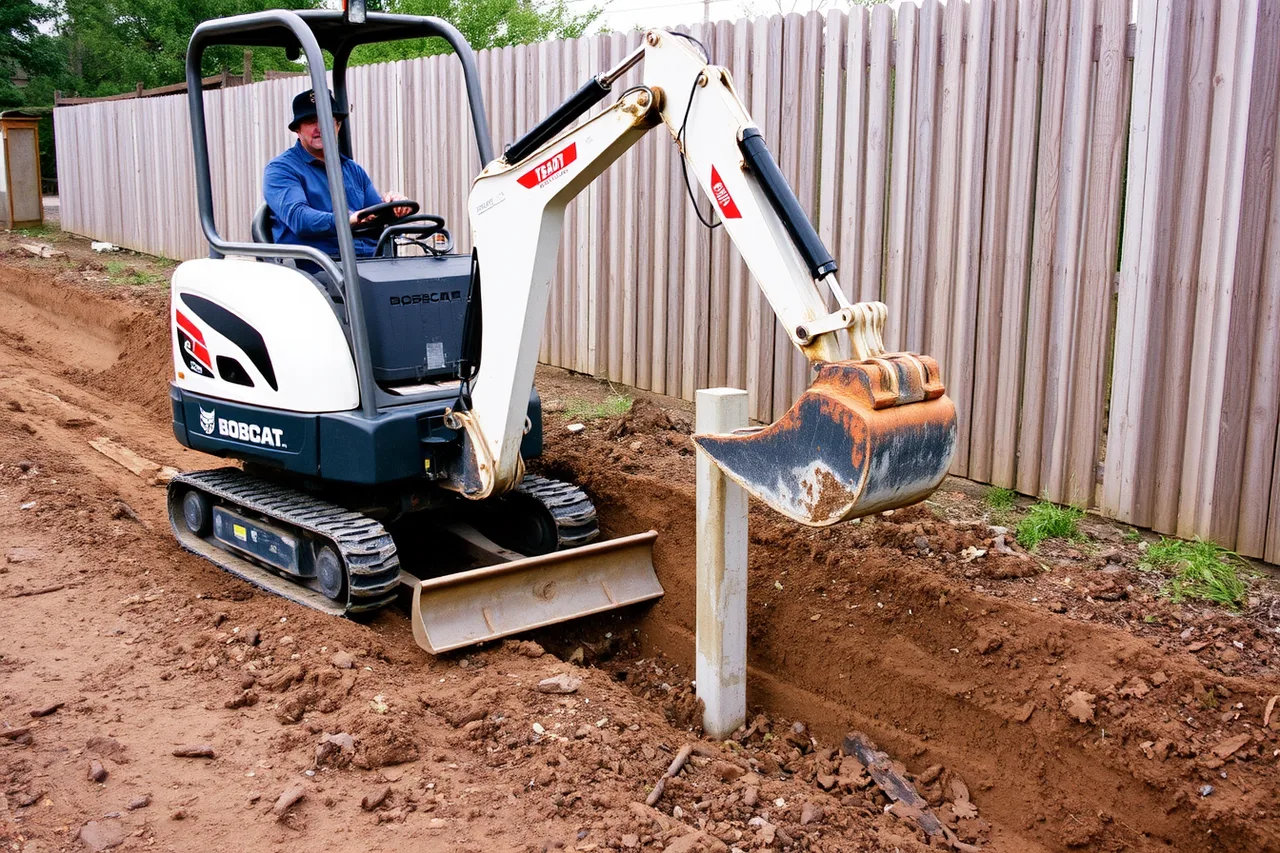
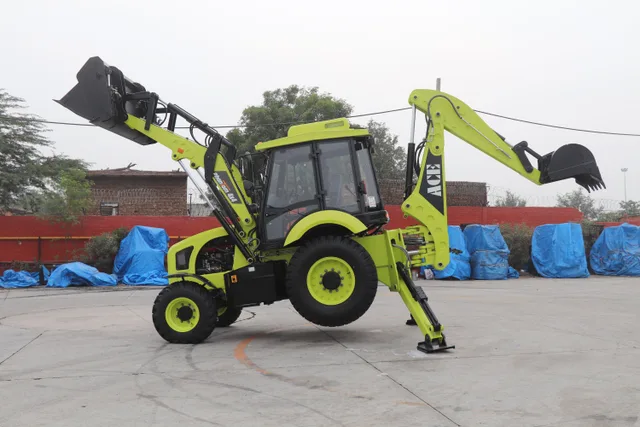
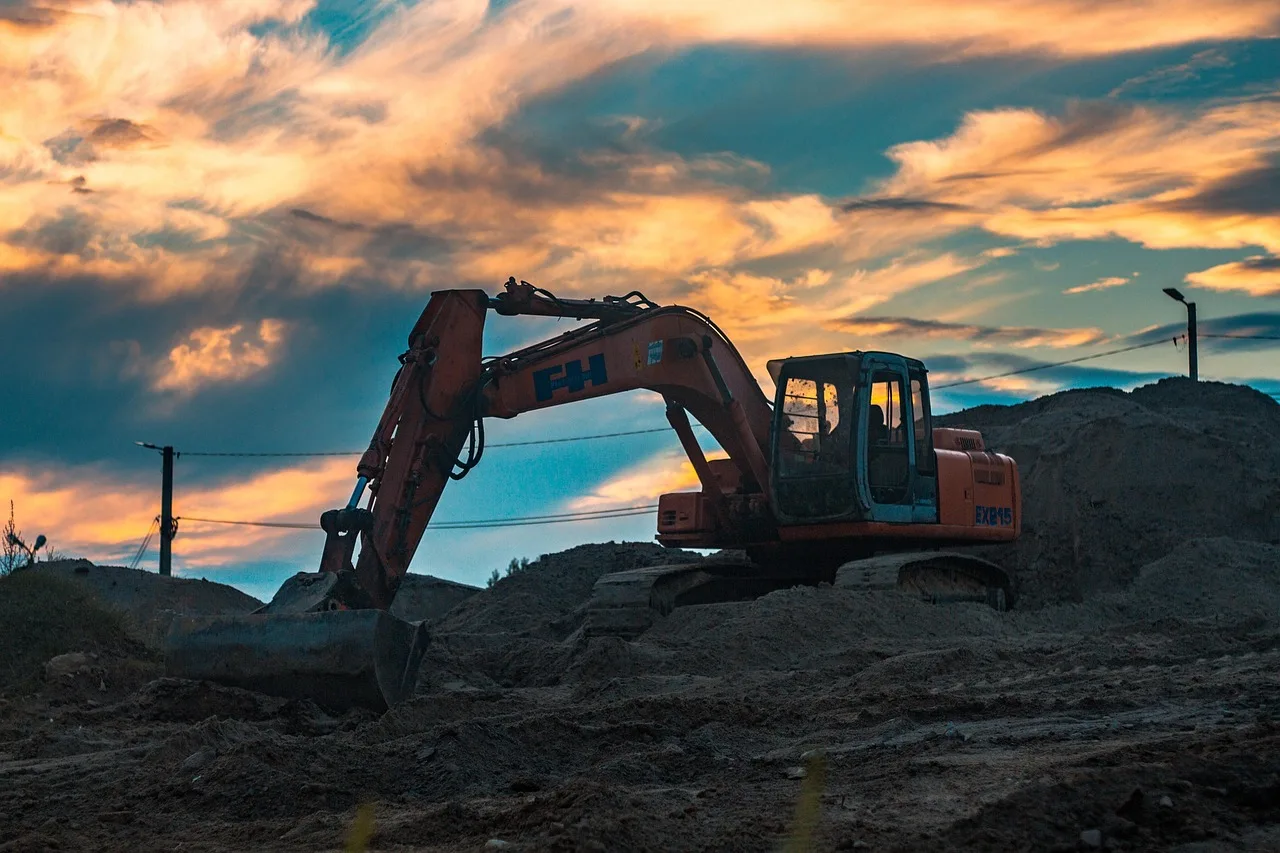
A Bobcat E10 or Kubota K008-3 mini excavator fits through a standard gate and pulls footings a shovel cannot. Both are widely rented, which matters more than the spec sheet when a job turns. Buy one when old footings are routine, not when one job in a season needs it.
A hydraulic post driver, such as the Shaver or Danuser skid steer models, sets posts in rocky or hard ground without digging. It suits ranch and agricultural work where frost depth is shallow and posts are steel T-posts or pipe.
Neither machine is cheap per day. The comparison is against the crew hours they replace, not against the auger they sit beside.
Mixers, cure and the week's shape
Concrete is a scheduling tool as much as a material. Setting posts and returning to hang panels splits a job across visits. The equipment question is whether you can batch that work.
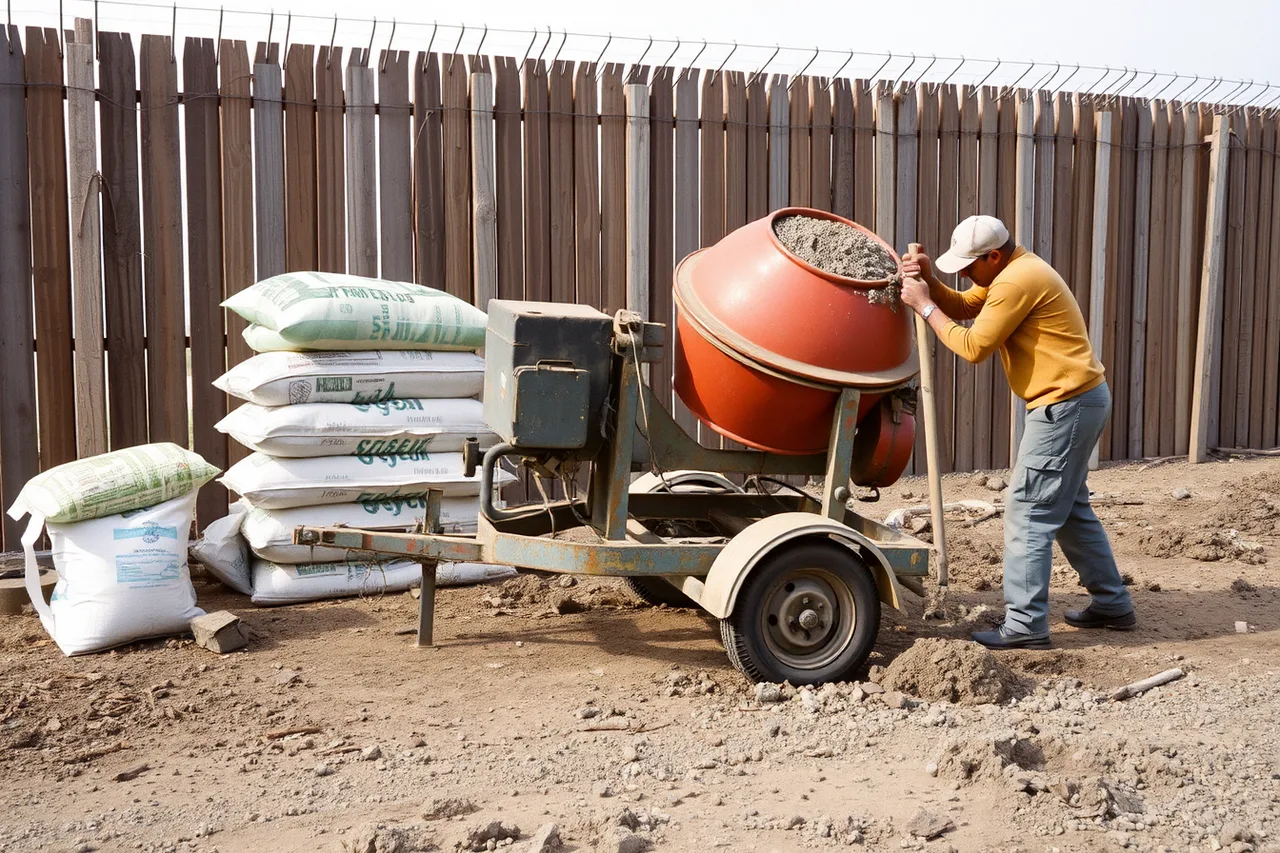
A towable mixer, in the 3 to 6 cubic foot class, lets one crew set several jobs in an area and return to them together. Bagged mix placed dry in the hole is faster on small counts and slower on large ones. Whichever you choose, cure time sets the shape of your week.
Plan the tool list around leaving a site cleanly and coming back. A mixer you own is only worth it if the volume is steady across the week.
Layout and locating: the cheap half
This is where accuracy is created and where the least money gets spent.
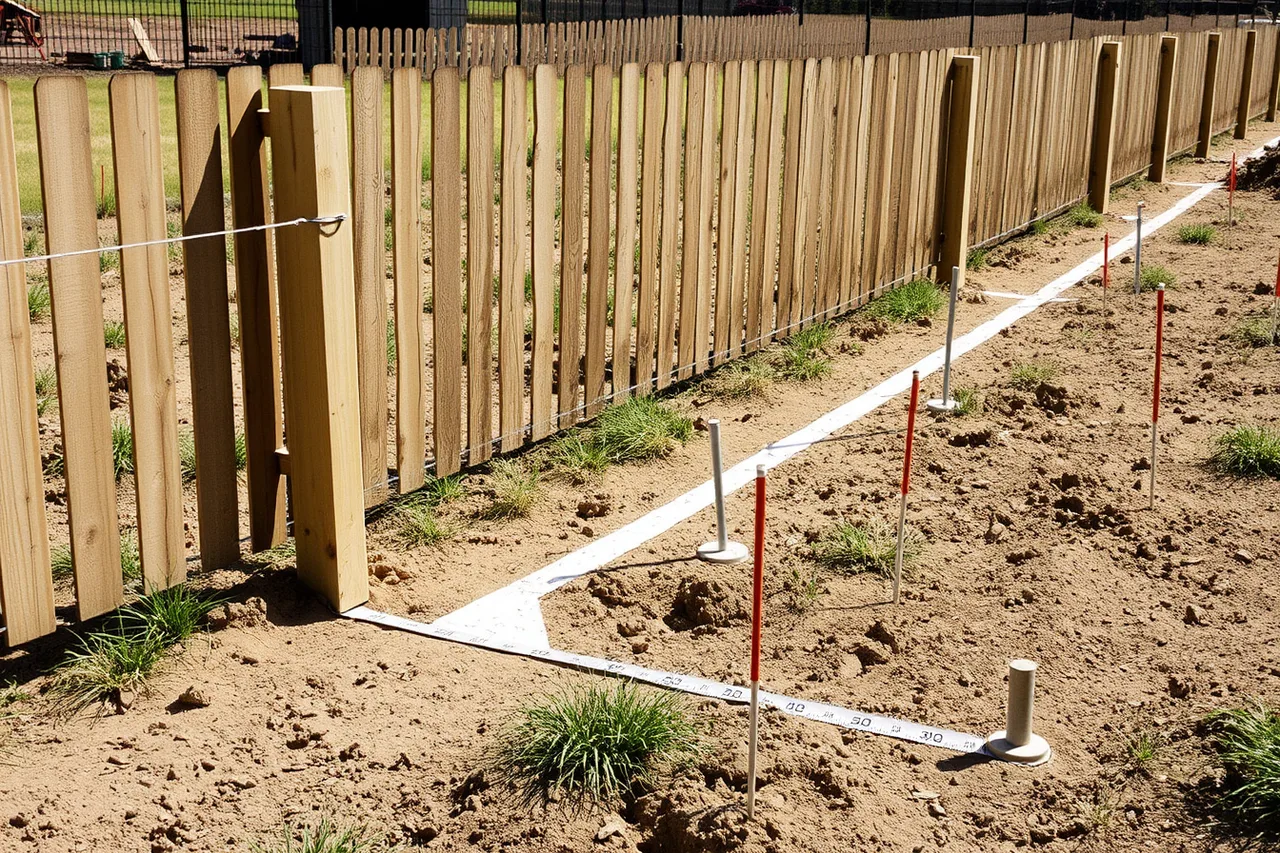
String line, a long tape, marking paint, batter boards for corners, and a level long enough to be honest about a post. A pocket level is not.
Two things go wrong before any hole is dug. The boundary comes from a survey, a plat or pins, and where none exist the quote should say so. The services come from a locate request through the state 811 one-call service before any hole. When a job slips past the marks' validity, make a fresh request.
The equipment checklist for new owners covers the full first-purchase list in the order a crew actually uses it.
Panels, fabric and gates
Panel work needs cutting capacity matched to the material, fastening tools that stay accurate at the end of a long day, and enough clamps that one person can hold a line while another fixes it.
Chain link needs its own kit: a tensioner, tension bars and bands, and a way to pull fabric evenly. Slack fabric is visible from the street for the life of the fence, and it is a tooling problem, not a material one.
Gates need the most care and the least glamour. Hinge and latch fitting, a way to check the swing across uneven ground, and packers to set a consistent gap. Gates fail first, so the tools that make a gate right are the tools that cut callbacks.
Buy, hire or hand: a comparison
Buy, hire or hand
Buy when
- Hydraulic auger
- Hole count per week justifies it and access allows
- Mini excavator
- Old footings and rock are routine
- Concrete mixer
- Volume is steady across the week
- Trailer
- You move machinery weekly
- Compaction plate
- Post backfill without concrete is common
Hire when
- Hydraulic auger
- The job is occasional or ground is unknown
- Mini excavator
- One job in a season needs it
- Concrete mixer
- A large single pour
- Trailer
- Rarely, delivery is often cheaper
- Compaction plate
- A one-off drive or path
Do without when
- Hydraulic auger
- Runs are short and soil is workable
- Mini excavator
- The yard cannot take the weight
- Concrete mixer
- Bagged placement suits the product
- Trailer
- Materials are delivered to site
- Compaction plate
- Every set is concreted
Safety belongs in the setup
The tools above create the hazards a fencing crew actually meets: digging near services, working with concrete, lifting panels, and occasionally working above grade on graded lots or pool enclosures.
The Occupational Safety and Health Administration: Safety Management recommended practices describe a program built on several elements:
- management leadership
- worker participation
- finding hazards
- controlling them
- training
- reviewing whether the program works For a two person crew that is a short written routine, not a binder.
Where work happens above grade, the Occupational Safety and Health Administration: Fall Protection in Residential Construction guidance describes what is expected and when a written plan is involved. Price the controls into the job.
Records that turn tools into decisions
Track what each machine costs to own and what it produced: purchase or hire cost, fuel and consumables, maintenance, and the days it was actually used.
The Internal Revenue Service: What kind of records should I keep? guidance describes keeping supporting documents for purchases and assets alongside a system that clearly shows income and expenses. That record also tells you whether the auger earned its keep.
The U.S. Small Business Administration: SBA Business Guide covers the launch and management stages of setting a business up.
Which tools you need at all follows from which work you sell, set out in the fence contractor services and packages guide, and how much of that work exists near you, covered in the fence contractor startup and market guide.
Common questions
What is the first serious purchase for a new fencing crew?
Usually a vehicle that can carry materials plus a full layout and hand digging kit, because those let you complete jobs. Defer powered digging until your own records show it would be busy.
Do I need a machine to compete?
Not on every job. You need a rule for when a machine is used and a supplier who will hire you one at short notice. Bidding speed work your kit cannot serve is a fast way to lose money.
How deep do the holes need to be?
That is set locally, against the depth frost reaches where you work, and the local building department is the body to ask. It is not a manufacturer's figure and it does not travel from one county to the next.
Can one person run a fencing crew?
For repairs, gates and short runs, yes. For full replacement work, panel handling and line holding make two people more than twice as productive as one, which shows up in your recorded hours per operation long before it shows up in the bank.