Guides
The fence contractor demand drivers to watch locally and how often to check
No forecast and no invented numbers: the demand drivers a fence contractor can watch locally, where each is visible, and how often to check.
What to take away
- No forecast appears here. Predicting fencing demand nationally is not something anyone can do honestly, and a number would be invented.
- What is given instead is a set of demand drivers you can observe in your own area, with the indicator to watch for each and how often to look.
- Fencing demand is event driven and local. The useful signals are permits, property turnover, weather and construction activity within your drive.
- Watch drivers, not headlines. A national story about materials or housing tells you nothing about next month's schedule in your town.
Why there is no forecast
A forecast for fencing demand would have to aggregate thousands of local housing markets, weather patterns, and municipal rules into one number. Even if such a number existed, it would not tell a contractor whether to hire, because the contractor works inside a drive time rather than inside a national market.
What is genuinely useful is a watch list: the things that move demand, where each one is visible locally, and how often it is worth checking.
The demand drivers, and how to watch each
Property turnover. New owners walk the boundary and find a fence that is failing or missing. Watch listings and sales activity in the neighborhoods you serve. Check monthly. This is the steadiest driver of replacement work.
New residential construction. Produces builder subcontract opportunities and, later, retail demand as owners add or upgrade what the builder installed. Watch building permits at the municipal office. Check quarterly.
Pool permits. A pool creates a barrier requirement with a specification and an inspection date attached. Watch pool permit activity where it is published, and speak to pool builders. Check seasonally.
Storm activity. Wind and falling trees take runs down and produce urgent repair work. This one you cannot plan, but you can prepare for it: stock, capacity to answer the phone, and a repair process that does not disrupt install schedules.
Pets and family changes. Not directly observable, but visible in the volume of containment focused enquiries. Track your own enquiry reasons; over a season the mix tells you something.
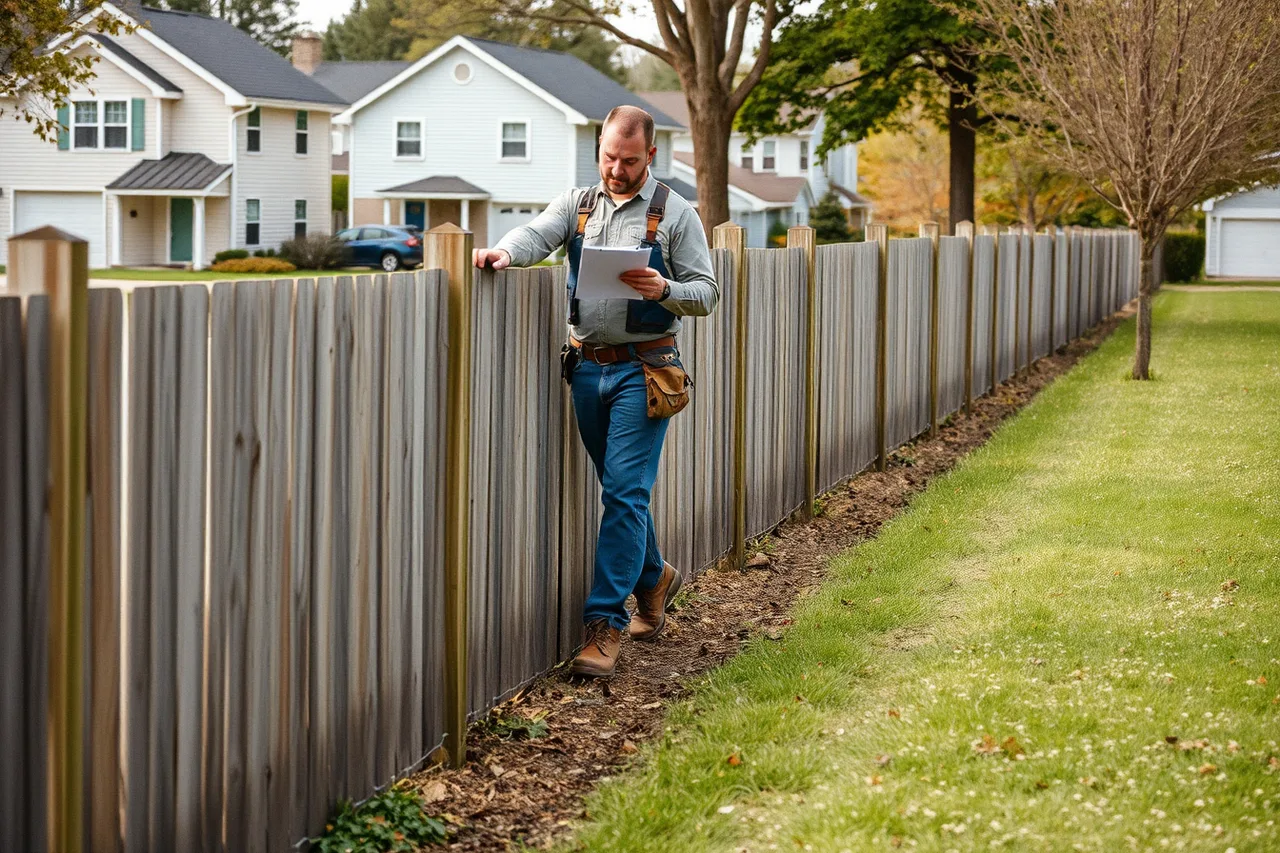
Aging fence stock. Drive the residential streets and look. A neighborhood where fences went in around the same time will need them replaced around the same time. Check annually, on foot or slowly.
Rule changes. Municipalities and associations revise height limits, permitted materials and approval processes. Watch for changes at the zoning office and ask associations you deal with. Check annually and whenever a customer mentions something new.
Material availability and lead times. Not demand, but it changes what you can promise. Watch your own suppliers' lead times, and check whenever you quote a specified material.
Labor availability. Determines whether you can meet demand at all, and is often the real constraint. Watch how long it takes to fill a role when you try.
Turning a watch list into a habit
| Driver | Where to look | How often |
|---|---|---|
| Property turnover | Local listing and sales activity | Monthly |
| New construction | Municipal building permits | Quarterly |
| Pool permits | Permit records and pool builders | Seasonally |
| Storms | Weather and your own call volume | As it happens |
| Enquiry reasons | Your own records | Monthly |
| Aging fence stock | Driving the streets you serve | Annually |
| Rule changes | Zoning office and associations | Annually |
| Material lead times | Your suppliers | At quote time |
The point of the table is that none of these require a subscription or a report. They require a habit and about an hour a month.
What to do with what you see
A rising driver is only useful if you can act on it, and in fencing the action is almost always about capacity rather than about marketing.
If turnover rises, check whether the schedule can absorb it and whether quotes go out fast enough to catch buyers early in their move.
If construction rises, decide deliberately whether builder work fits your cash position, because it is bought on someone else's payment terms.
If pool activity rises, confirm with the building department which specification applies before you quote.
Whether an area is worth watching at all is answered by the counting exercise in the best markets for a fence contractor business, which covers ground conditions as well as demand.
Capacity to respond depends on the crew and the kit. Adding a service family or machine because a driver moved belongs with the fence contractor equipment and setup guide and the day to day kit in the equipment checklist for new owners.
Whether you can staff the response is the question in hiring and training a fence crew.
What published sources support
The U.S. Small Business Administration: SBA Business Guide sets out how market research fits into planning and growth for a small business, which is the frame this watch list sits inside.
The U.S. Bureau of Labor Statistics: Occupational Employment and Wage Statistics Tables publish employment and wage estimates by occupation, industry, state and metropolitan area. That is a real input into the labor availability driver, and it is about occupations rather than about demand for fences.
Where a shift in your work mix means more time above grade, on graded lots or retaining structures, the Occupational Safety and Health Administration: Fall Protection in Residential Construction guidance describes the controls expected. A change in the kind of work you take is a safety change as well as a commercial one.
Common questions
Will fencing demand rise next year?
Nobody can tell you that for your area, and a page that claims to is guessing. Watch the drivers above locally and you will see a change before any published forecast would have told you.
Should I stock up if material lead times are lengthening?
Only against work you have actually sold. Stock bought against expected demand is cash converted into a guess, and cash is the constraint most fencing operations meet first.
Do national housing headlines matter?
Rarely, and never on the timescale you schedule in. Your own enquiry mix and your local permit office are faster and more accurate signals.
What is the single most useful thing to track?
Your own enquiry reasons. Recording why each caller wants a fence takes seconds and, over a season, tells you more about local demand than any external source.