Guides
Fence contractor equipment: what to buy first
Fence contractor equipment checklist organized by job phase, from load-out and locate marks through digging, cure, gates and leaving the site safe.
What to take away
- A load-out list organized by job phase catches the missing item before the truck leaves, which is the only time catching it is free.
- The items that most often strand a fencing crew are smallmarking paint, a long enough level, spare fasteners, and the gate hardware nobody checked.
- Check the locate marks and their validity date as part of the load-out, not as part of the dig.
- Run this as a written check with a named person, because a crew that checks the truck from memory checks it differently every day.
How to use this list
The list below is grouped by the phase of work it serves, in the order the day runs. Copy it, cut what you do not do, and add what your material choices demand. Then have one person run it before the truck leaves rather than everyone assuming.
The reasoning behind each group is in the fence contractor equipment and setup guide. This page is the list itself.
What to buy first
Buy in this order. Each step assumes the last is earning.
- Levelsa 4 ft box level, a 2 ft level, and a post level.
- Safety gear sized to the crew, one set per person, plus spare glasses.
- A powered auger with two bits, the largest single purchase.
- Layout, cutting and fastening gear, with spare blades and a manual backup.
Typical US prices:
| Item | Typical US price |
|---|---|
| 4 ft box level | $40 to $120 |
| 2 ft level, post level | $35 to $100 |
| Auger, one person, 8 to 12 inch bits | $700 to $1,800 |
| Auger, two person towable | $2,500 to $6,000 |
| Auger hire, per day | $90 to $200 |
| Safety gear per person, boots to vest | $150 to $400 |
| Crew first aid kit | $30 to $90 |
A first kit for a two person crew, not counting the truck, typically falls between $2,500 and $6,000. Hire the auger if the crew digs fewer than about 20 holes a week.
Before the truck moves
Before the truck moves
- Job filesigned scope, boundary, permits
- Utility locate reference and validity date
- Site accessgate width, clearance, ground
- Material take-off checked against measured run
- Gate hardware counted and matched
- Fuel, water, fasteners plus margin
- Job sheetaddress, scope, and the customer's number.
- Locate ticket checked against today's date.
- Gate hardware box, counted against today's gate list.
- Concrete for the hole count, plus water confirmed or drums filled.
- Truck and auger fueled, oil checked, batteries charged, one spare per tool.
- PPE counted per person on site.
- Marking paint, flags, and stakes restocked.
- First aid kit checked, not assumed.
- The named checker signs the list before the truck moves.
Layout and locating
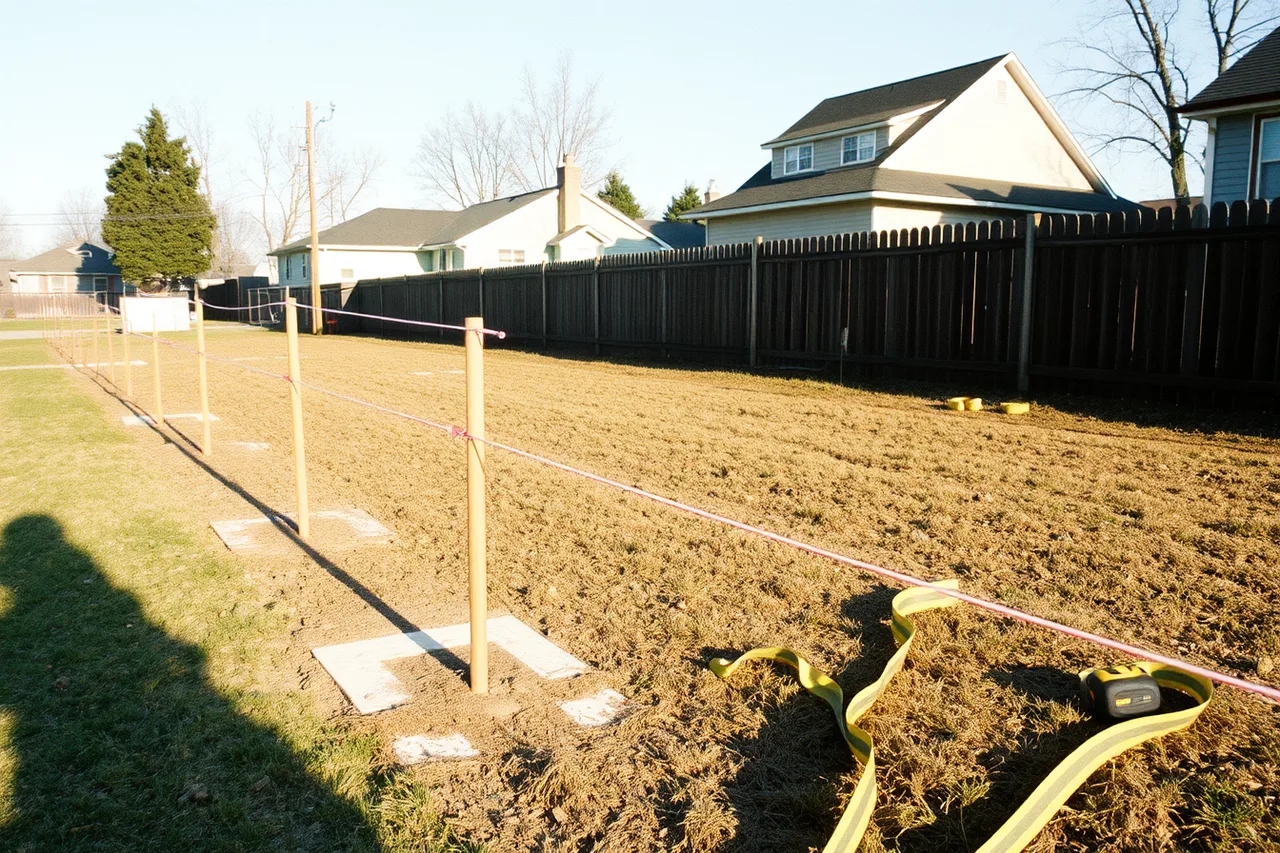
- String line and reels, enough to hold the longest run in one pull.
- Long tape and a second short tape.
- Marking paint in the colors your area uses, plus flags or stakes.
- Batter boards or corner setup for squaring.
- Post spacing gauge or story pole.
- Camera for the pre-work condition record, including the locate marks.
Digging
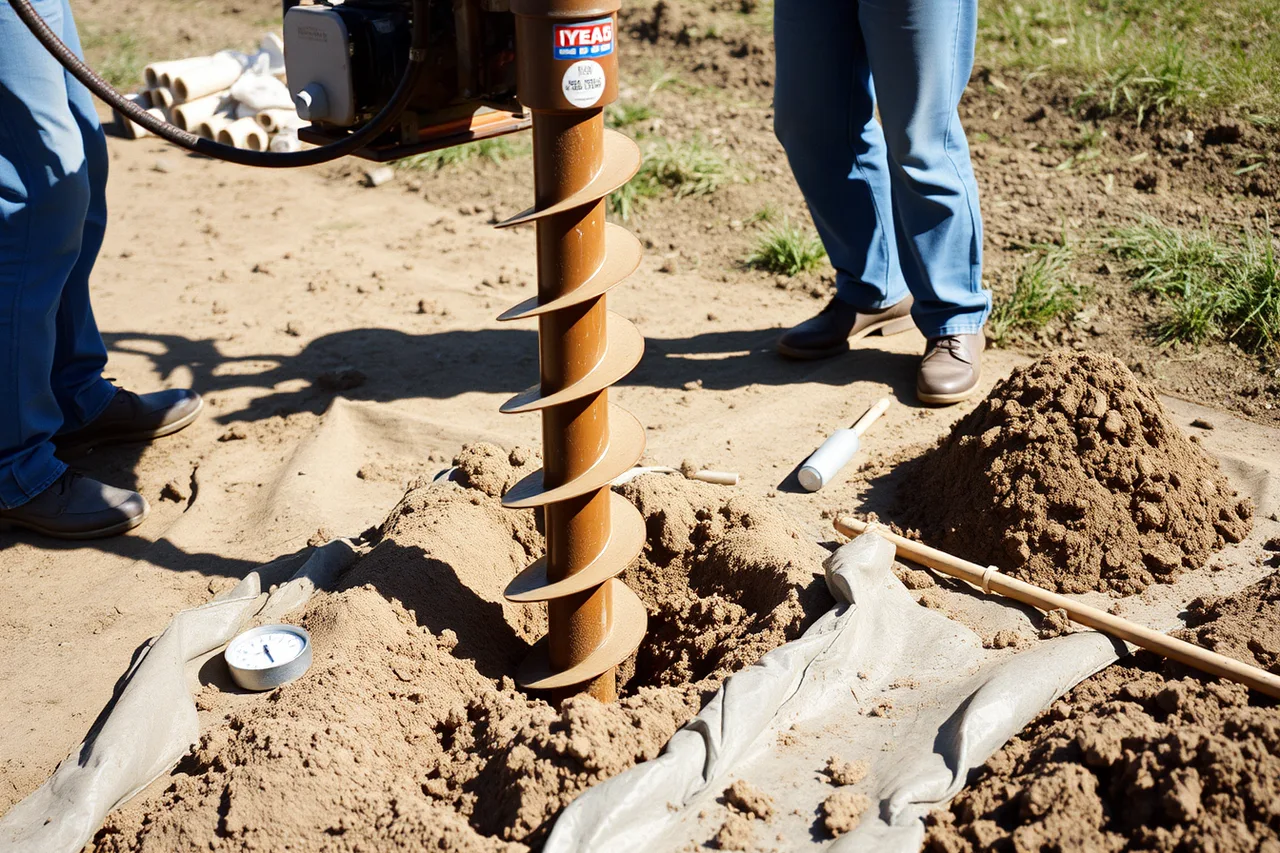
- Hand digging toolspost hole digger, spud bar, trenching shovel.
- Powered auger with the bits the local soil requires, or the hire booking confirmed.
- Root cutting capability, because tree lines are where the day disappears.
- Spoil handlingbarrow, tarp or bags, and a plan for where the spoil goes.
- Depth gauge so hole depth is measured rather than judged.
Setting and cure
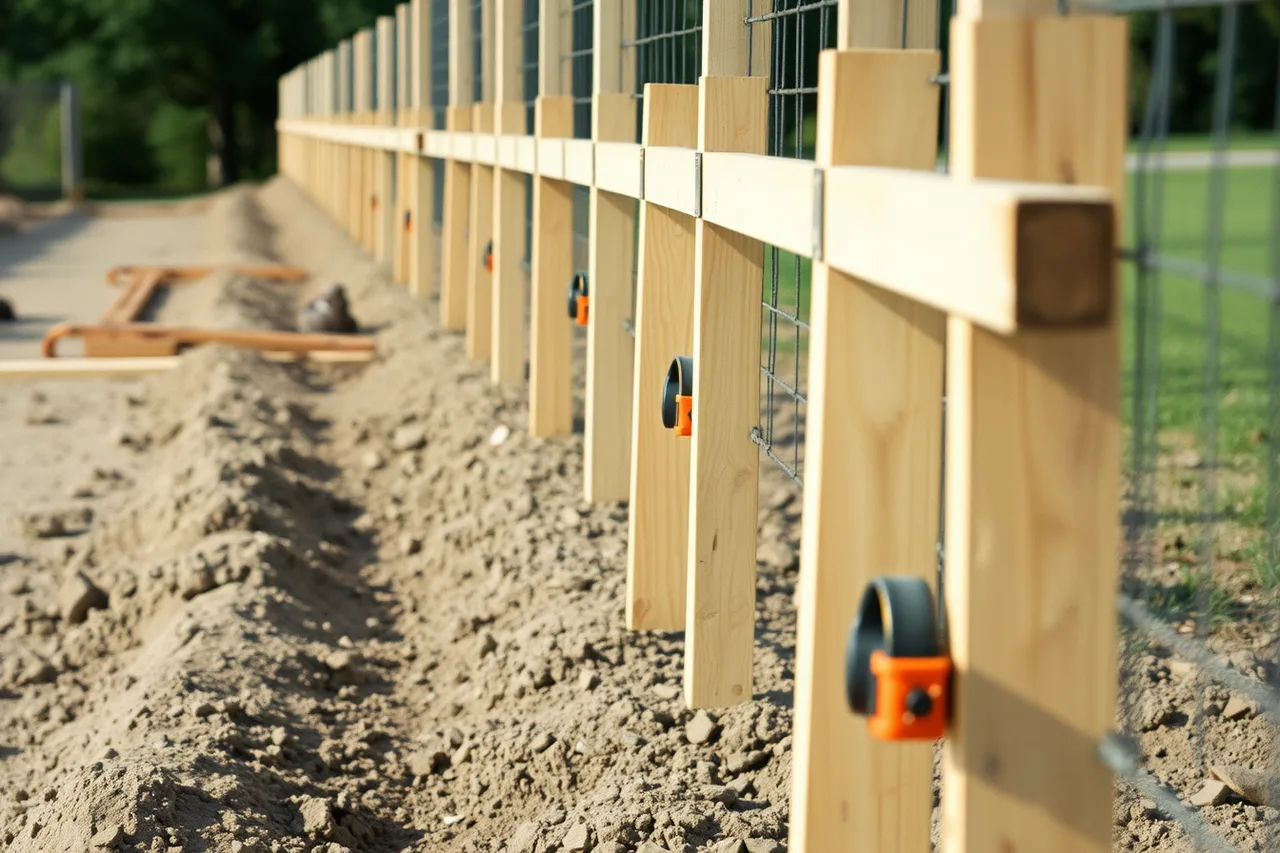
- Concrete or setting product in the quantity the hole count and depth actually require.
- Mixing capacity and water supply, or confirmation that water is available on site.
- Levelsone long enough to read a post honestly, plus a post level.
- Bracing to hold posts while they cure.
- Marking for the return visit so panel work starts without rework.
Panels, fabric and gates
- Cutting tools appropriate to the material, with spare blades.
- Fastening tools charged, plus a manual backup.
- Clamps and supports so one person can hold a line.
- Chain link kit where relevanttensioner, tension bars, bands, and a way to pull fabric evenly.
- Gate packers to set a consistent gap across the swing.
- Post caps, rail ends and trim, which are the pieces most often missing at the end.
Consumables per crew size
Typical planning figures. Check them against your own last five jobs.
- 1 to 2bags of 50 lb mix per post holeConcrete
- 1Wood fasteners
- 200Marking paint
Safety and site
- Personal protective equipment for every person on site, not just the owner.
- First aid kit, checked rather than assumed.
- Barriers or tape where a hole will be left open.
- Fall protection equipment where any part of the job is above grade.
- Cleanup kitmagnet or sweep for fasteners, and disposal capacity for the old fence.
Why this list is a safety document
Most of what is above is ordinary. Two groups are not. Digging is where buried services are struck, and working above grade is where falls happen.
The Occupational Safety and Health Administration: Safety Management recommended practices set out a program built on leadership, worker participation, hazard identification and control, training, and review.
A load-out check is the smallest useful version of hazard control for a two person crew.
Above grade, the Occupational Safety and Health Administration: Fall Protection in Residential Construction guidance applies. It describes what is expected and what a written plan involves.
Whether you need a specific registration or endorsement to run particular equipment is a local matter, and it belongs with the rest of the compliance side of fence work.
Keeping the list honest
Those same records feed two other decisions. Purchase and maintenance records, kept as the Internal Revenue Service: What kind of records should I keep? guidance describes, are what tell you whether a tool is earning. Time lost to a missing item is a real cost that belongs in how fencing jobs are priced.
Teaching the list is part of bringing anyone new onto the truck, which sits with hiring and training a fence crew. What you promise customers about arriving ready is part of how a fence business is presented, and it is a promise worth being able to keep.
The item most often left behind
Gate hardware. It is small, it travels loose, it is needed at the very end of a job when everyone is tired, and a missing latch turns a finished fence into a return visit. Put every gate's hardware in one labelled box, count it against the job at load-out, and do not let it ride loose in the truck with the fasteners.
Common questions
Who should run the check?
One named person per day, and it should rotate rather than always falling to the owner. A check owned by everyone is owned by nobody.
Should the list live on paper or on a phone?
Whichever gets used with cold hands in a yard at seven in the morning. The format matters far less than whether it is actually run before the truck moves.
How detailed should it get?
Detailed enough to catch the items that have actually stranded you. Adding every conceivable tool makes the list too long to run, and a list nobody runs catches nothing.
What about the return visit after cure?
Give it its own short list. The return visit is a different phase with different tools, and treating it as a continuation of the first day is how gate hardware gets left in the yard.