
Guides
Fence contractor estimate visits: what makes customers choose you
Fence contractors treat the estimate visit as the sales event. This covers the site walk, boundary question, quote habits, reviews and being findable locally.
What to take away
- The estimate visit is the sales event in fencing. Almost everything that decides whether you win the job happens in that half hour on site.
- Customers cannot judge your workmanship in advance. They judge the visit: whether you walked the line, whether you asked about the boundary, and whether your quote said what happens if the ground is difficult.
- The three questions a fencing customer is actually asking are whether you will show up, whether the price will hold, and whether the fence will be where they think it will be.
- Answering the third one openly wins more work than any discount.
Why the visit decides it
A fencing customer usually gets two or three quotes. They cannot inspect your work in advance, they do not know what a good post depth is, and the numbers in front of them are not comparable because the scopes are not the same.
So they decide on the visit. The contractor who walked the whole run, asked where the line came from, pointed out the slope, and explained what happens if rock appears has already answered questions the other quotes do not address. That is not salesmanship. It is competence being visible.
The visit, in order
- Walk the entire run with the customer, end to end, rather than measuring from the driveway. Things that only appear on foot: slope, tree roots, an old footing, a neighbor's structure, an irrigation head.
- Ask where the property line comes from. A survey, pins, a plat, or their recollection. Ask early and without drama, because the answer changes the job.
- Look for what will be dug through. Meter positions, visible service runs, an old fence line, a drainage run. Explain that a locate request goes in before any hole and that you work to the marks.
- Discuss the gate before the fence. Where it goes, how wide, which way it swings, and what the ground under the arc does. This is the part they will use every day.
- Raise the gap at grade on any sloped run. Decide it now, in front of them, and write the decision down. It is the single most common thing customers revisit later.
- Explain the shape of the jobthat posts are set, that concrete cures, and that panels go on afterward. Customers who expect one continuous visit call you on day two.
- Say what is excluded and how the unknowns are handled, with a stated stop-and-requote rule rather than a vague caveat.
- Take the photographs you need, and confirm when the written quote will arrive. Then send it when you said you would.
What each step is actually doing
Step one buys you an accurate estimate and shows the customer you are not guessing. Step two protects both of you and signals that you have done this before. Step three quietly tells them you are the contractor who will not cut their internet line.
Steps four and five remove the two most common sources of a later complaint. Step six manages the schedule expectation. Step seven is where the price becomes comparable to other quotes, because it explains what is in yours that may not be in theirs.
Step eight is the one people lose jobs on. A quote that arrives when promised, on a day when two other contractors have not called back, wins work on reliability alone.
Being findable when the event happens
Half of fencing demand is urgent: a run down after a storm, a failed pool inspection, a gate that will not close. Those customers search on a phone and call whoever answers.
That makes your basic presence a business asset, not a marketing one. Google Business Profile Help: Tips to improve your local ranking on Google says local results rest mainly on relevance, distance, and prominence, and recommends complete, current business information.
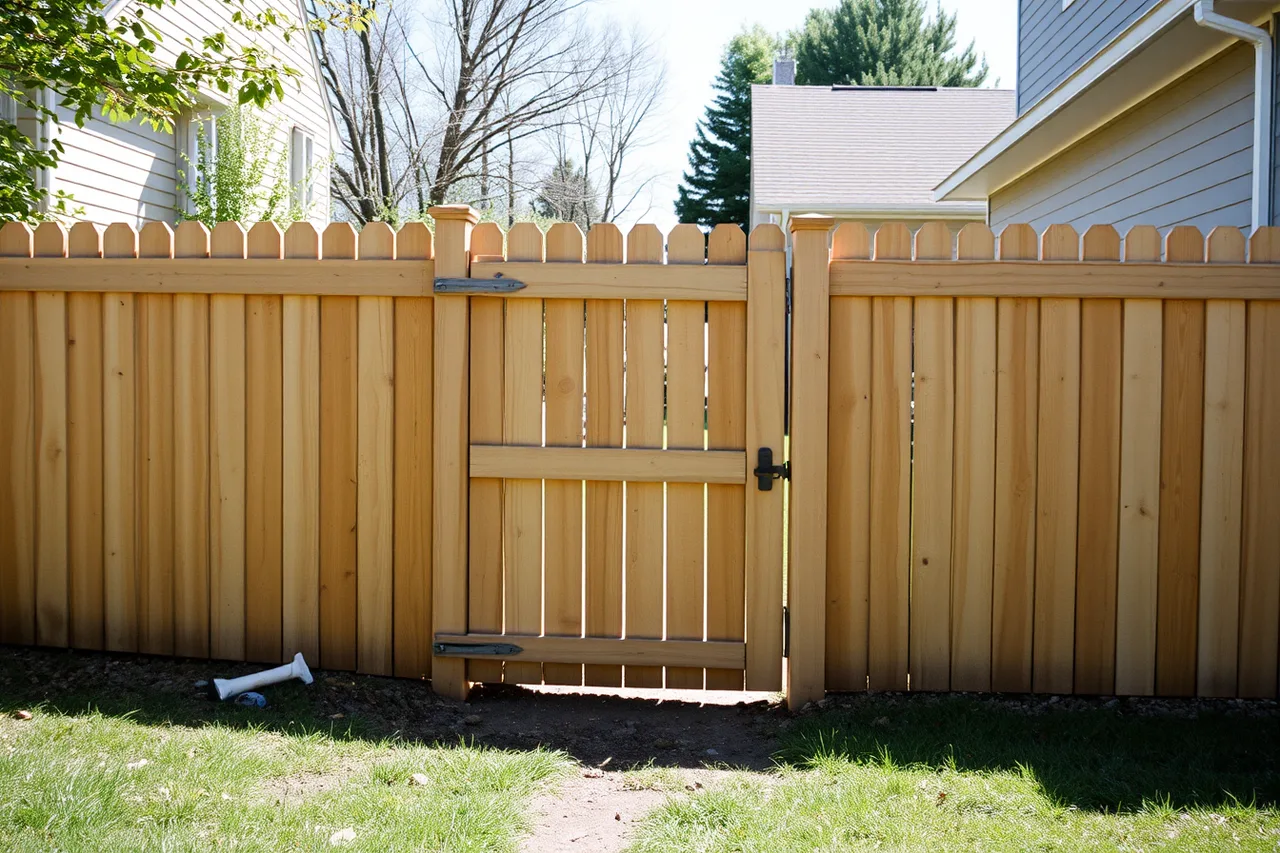
For a fencing business, accurate hours and an honest service area matter most. Photographs should show finished runs and gates, not a truck.
The rest of the channel picture, including the events that create demand in the first place, is set out in the fence contractor marketing and growth guide.
Reviews, honestly
Ask everybody, ask the same way, and do not filter.
The U.S. Federal Trade Commission: Soliciting and Paying for Online Reviews: A Guide for Marketers guidance says requests must go to genuine customers, not just those likely to be positive.
Material connections must be disclosed, and incentives must not mislead.
Asking only the customers you expect to be pleased is exactly the practice that guidance addresses, and it also removes your best signal about which detail keeps generating callbacks.
Winning work you can actually deliver
A won job you cannot schedule is a complaint with a deposit attached.
Before pushing for more work, check that the crew can complete a job without you. That question belongs to hiring and training a fence crew. Also confirm the kit supports the work you quote, per the fence contractor equipment and setup guide and the load-out in the equipment checklist for new owners.
Some work you should decline because you are not permitted to do it where the customer lives. That is a licensing and permit question covered in the compliance side of fence work, and it is far cheaper to answer at the visit than after the deposit.
What the customer is really deciding
They cannot judge your post depth, your concrete, or your tension. They can judge whether you walked the whole run, whether you asked about the line, whether your quote said what happens if the ground is difficult, and whether the written quote arrived on the day you said. That is the entire basis of the decision, and all four of those are within your control.
Common questions
Should I give a price at the visit?
Give the method and the range of what drives it, and send the number in writing. A verbal figure becomes the number they remember, and every later correction reads as a change of story.
How do I compete with a much cheaper quote?
Make the scopes comparable. Ask what depth the other quote works to, whether disposal is included, whether the gate hardware is specified, and what happens if rock appears. Most gaps between fencing quotes are scope gaps.
What if the customer will not answer the boundary question?
Write down that the line was taken from their indication, say it plainly in the quote, and move on. What you cannot do is leave it unrecorded.
How quickly should I follow up?
Once, soon, and then leave it. Fencing decisions often wait on a neighbor, a season or a budget, and the contractor who was polite and unpushy is the one they call when it moves.